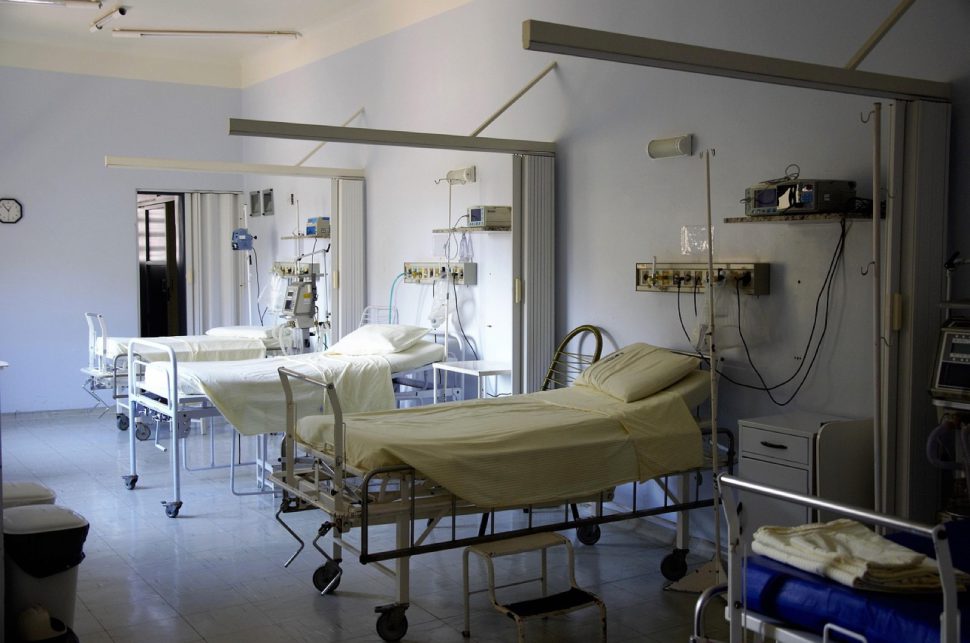
When you or someone in your family feels sick or gets hurt, the right place to go depends on how serious it is and how fast you need help. Picking well can save you hours in a waiting room and, in some cases, a much larger bill. This guide is general information, not medical advice: if you think it could be an emergency, call 911.
Call 911 first for a medical emergency
Do not drive yourself, and do not stop to compare options, if someone has signs of a life-threatening problem. MedlinePlus, the National Library of Medicine’s consumer health site, lists situations like these as reasons to call 911:
- Severe chest pain or pressure
- Severe shortness of breath, choking or stopped breathing
- Sudden weakness or drooping on one side of the body, or suddenly being unable to speak, see, walk or move
- A head injury with passing out, fainting or confusion
- A neck or spine injury with loss of feeling or inability to move
- A seizure that lasts more than a minute, or the person does not wake up quickly afterward
- A severe burn, electric shock or lightning strike
Paramedics can start treatment on the way and alert the hospital. Calling 911 is always the right choice when you are not sure.
When to go to the emergency room
An emergency department is open around the clock and can handle serious and complicated problems, with imaging, labs and specialists on hand. MedlinePlus lists examples like these as reasons to go to the ER (or call 911):
- Trouble breathing, fainting, or pain in the arm or jaw
- A sudden or unusually bad headache, sudden confusion, or dizziness or weakness that does not go away
- Heavy bleeding or a deep wound
- A possible broken bone with loss of movement, or bone pushing through the skin
- Coughing or vomiting blood
- A severe allergic reaction with trouble breathing, swelling or hives
- High fever with a headache and stiff neck, or a high fever that does not get better with medicine
- Vomiting or diarrhea that will not stop
- Poisoning or an overdose
- Severe pain anywhere in the body
About freestanding ERs
Across Miami-Dade, Broward and Palm Beach you will see stand-alone emergency rooms in shopping centers and along major roads. In Florida, many of these are hospital-based off-campus emergency departments. The state’s Agency for Health Care Administration says they must be under the same direction, offer the same services and meet the same requirements as the hospital’s main ER. In other words, they are emergency rooms, not urgent care centers, so expect emergency-level care and emergency-level billing. Check the sign: if it says “emergency,” it is an ER.
When urgent care makes sense
Urgent care centers handle problems that are not life-threatening but cannot wait for an appointment with your regular doctor. They usually take walk-ins and have evening and weekend hours. According to MedlinePlus, urgent care is a good fit for:
- Common, milder illnesses such as colds, flu, earaches, sore throats and low-grade fevers
- Limited rashes
- Sprains, back pain, and minor cuts and burns
- Minor broken bones and minor eye injuries
A few practical examples: a child with an earache on a Saturday, a sprained ankle from a pickup game, or a cut from a kitchen knife that may need stitches but is not bleeding heavily. If symptoms get worse while you are there, urgent care staff will tell you to go to an ER or call 911.
Before you go, check whether the center is in your insurance network. Urgent care visits are usually cheaper than ER visits, but only if your plan covers that location. If you have an HMO, your plan may have specific rules about urgent care, so look at your member materials or call the number on your card.
When to call your primary care doctor
Your primary care doctor is the best place for ongoing and non-urgent care, because they know your history, your medicines and your other conditions. That includes:
- Check-ups, screenings and vaccines
- Managing long-term conditions such as diabetes, high blood pressure or asthma
- Medication refills and questions
- New symptoms that are bothering you but are not severe or sudden
- Follow-up after an urgent care or ER visit
Many practices hold same-day slots for sick visits, and many have an after-hours phone line. If you are not sure where to go and nothing on the 911 or ER lists applies, MedlinePlus suggests calling your doctor’s office or your health plan’s nurse advice line first. Many insurers print a nurse line number on the back of the member card.
Where telehealth fits
Many primary care practices, health systems and insurers now offer video or phone visits. Telehealth can work well for things like a medication question, a follow-up, a minor rash you can show on camera, or deciding whether you need to be seen in person. It is not a substitute for emergency care. Coverage and costs vary by plan, so check with your insurer before you book.
A quick way to decide
- Could this be life-threatening? Call 911.
- Serious, but the person is stable enough to get there safely? Go to the nearest emergency room.
- Not serious, but it cannot wait for an appointment? Urgent care, or a telehealth visit if appropriate.
- Routine, ongoing or can wait a day or two? Call your primary care doctor.
Set up your options before you need them
The best time to figure this out is on a calm day. Save your doctor’s number and after-hours line in your phone, find the nearest in-network urgent care, and know where your closest hospital ER is. If you have just moved to South Florida or are here for the season, this step matters even more.
On SoFlo Doctors you can find primary care doctors and urgent care centers across Miami-Dade, Broward and Palm Beach counties. You can also search by neighborhood using Find a Doctor to see what is close to home.